
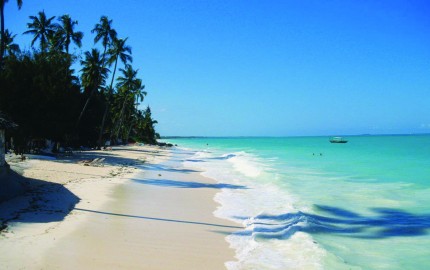
Experience the tranquil environs of the Tanzanian coast – the splendid white sandy beaches, cool breezes, watersports and exclusive beach resorts.
Zanzibar is probably a name you’ve heard before, synonymous with white sandy beaches and bright blue water. You could spend weeks on Zanzibar alone, enjoying spice tours, the culture of Stone Town and the numerous beautiful beaches elsewhere on the island.

The name Zanzibar conjures up visions of sultans’ palaces, paradisiacal beaches and winding alleyways leading to spice-filled bazaars. Indeed, this coral archipelago in the Indian Ocean, 74 km (23 mi) off the eastern coast of Tanzania, still has many of the features that it did when it was an important trading center and its historic Stone Town served as the capital of an Omani sultanate. Zanzibar’s largest island, Unguja, is home to most of the cultural attractions, many of them found in beguiling Stone Town, which was awarded a UNESCO World Heritage status in 2000. In recent years, there’s been a concerted effort to restore and give new life to the city’s distinctive structures. Palaces have been turned into museums and cultural centers, and grand Swahili mansions have been reborn as restaurants and boutique hotels. Yet the coast still offers the “delicious view” that the explorer Sir Richard Burton recorded, of a “cocoa-fringed shore of purest white, and the sea blue as a slab of lapis lazuli.”

On its main island, Unguja, and in its heart, you’ll find Stone Town, a multicultural World Heritage site with old Arabian townhouses and a maze of narrow alleys lined with homes, mosques and bazaars. Its winding lanes present minarets, carved doorways and 19th-century landmarks, such as the House of Wonders; a former sultan’s palace. Important architectural features in Stone Town are the Livingstone house, The Old dispensary of Zanzibar, the Guliani Bridge, Ngome kongwe (The Old fort of Zanzibar) and the House of Wonders. The town of Kidichi features the Hamamni Persian Baths, built by immigrants from Shiraz, Iran during the reign of Barghash bin Said. The name Zanzibar is derived from the Persian zang-bâr signifying “black coast”.

Zanzibar, Pemba and Mafia form a beautiful archipelago just off the Tanzanian mainland, renowned for their spice plantations and cloves. The palm beaches have beautiful protecting coral reefs and are carpeted with white coral sand. It is famous for its clear-water, white-sand beaches with varying surf levels. The warm clear water is perfect for swimming, snorkelling and other water sports.
One of Zanzibar’s main industries is spices; in particular, the islands produce cloves, nutmeg, cinnamon, lemongrass, ginger, vanilla, turmeric, cardamom and black pepper. For this reason, the Zanzibar Archipelago, together with Tanzania’s Mafia Island, are sometimes called the “Spice Islands”.

The northern villages Nungwi and Kendwa have wide beaches lined with hotels. The diving there is great, as is the snorkeling, the little islands you can visit, the seafood, and wealth of activities.
Zanzibar History
Zanzibar has lured traders, adventurers, plunderers and explorers to its shores for centuries…
The Assyrians, Sumerians, Egyptians, Phoenicians, Indians, Chinese, Persians, Portuguese, Omani Arabs, Dutch and English have all been here at one time or another. Some, particularly the Shirazi Persians and Omani Arabs, stayed to settle and rule. The earliest visitors to Zanzibar were Arab traders who are said to have arrived in the 8th century. The earliest building that remains on Zanzibar is the mosque at Kizimkazi which dates from 1107, and is a present-day tourist attraction.

For centuries the Arabs sailed with the Monsoon winds from Oman to trade primarily in ivory, slaves and spices. The two main islands, Unguja (normally known as Zanzibar Island) and Pemba, provided an ideal base for the Omani Arabs, being relatively small, and therefore fairly easy to defend. From here it was possible for them to control 1609 km (1,000 mi) of the mainland coast from present day Mozambique to Somalia. Indeed, in 1832, Sultan Seyyid Said, of the Busaid Dynasty that had emerged in Oman, moved his Sultanate from Muscat, which was perhaps more difficult to protect, to Zanzibar where he and his descendants ruled for over 130 years. Most of the wealth lay in the hands of the Arab community, who were the main landowners, kept themselves to themselves, and generally did not intermarry with the Africans.

This was not true of the Shirazi Persians who came from the Middle East to settle on the East African coast. The story goes that in AD 975, Abi Ben Sultan Hasan of Shiraz in Persia (now Iran) had a terrible nightmare in which a rat devoured the foundations of his house. He took this as an omen that his community was to be devastated. Others in the Shiraz Court ridiculed the notion, but Sultan Hasan, his family and some followers obviously took it very seriously because they decided to migrate. They set out in seven dhows into the Indian Ocean but were caught in a huge storm and separated. Thus, landfalls were made at seven different places along the East African coast, one of which was Zanzibar, and settlements began.

Widespread intermarriage between Shirazis and Africans gave rise to a coastal community with distinctive features, and a language derived in part from Arabic, which became known as Swahili. The name Swahili comes from the Arab word ‘sawahil’ which means ‘coast’. The Zanzibar descendants of this group were not greatly involved in the lucrative slave, spice and ivory trades. Instead, they immersed themselves mainly in agriculture and fishing. Those Shirazis that did not intermarry retained their identity as a separate group.

Two smaller communities were also established. Indian traders arrived in connection with the spice and ivory trade, and quickly settled as shopkeepers, traders, skilled artisans, and professionals. The British became involved in missionary and trading activities in East Africa, and attempting to suppress the slave trade centred in Zanzibar.
Zanzibar Town
For most visitors Zanzibar Town means Stone Town, the historic quarter where you can wander for hours through a maze of narrow streets, easily losing yourself in centuries of history.

Each twist and turn brings something new – a former palace, a Persian bathhouse, a tumbledown ruin, a coral-stone mansion with carved doors and latticework balconies, or a school full of children chanting verses from the Quran.

Today Zanzibar Town (sometimes designated Zanzibar City) is the capital of the state of Zanzibar, and by far the biggest settlement on Zanzibar Island. It’s divided into two unequal parts, separated by Creek Rd: to the west is Stone Town, while to the east are the more recently built areas known as Ng’ambo (literally, ‘The Other Side’), with other suburbs such as Amaani, Mazizini, Magomeni and Mwanakwerekwe, an urban sprawl of shops, markets, offices, apartment blocks, crowded slums and middle-class neighbourhoods.

The heart of Zanzibar Town, Stone Town, is a labyrinth of narrow alleys complete with palaces, mosques, and tiny shops. Come here for a night or two to stay in a small hotel or converted merchant’s house – and soak up the atmosphere.
Zanzibar Islands
Lying off Tanzania’s coast, the Zanzibar Archipelago consists of more than 50 islands, most of which have a long history and a rich cultural mix. The larger islands in the archipelago are highly fertile, with many agricultural resources. They’re covered with small farms and everywhere the air is thick with the aroma spices – it’s an exotic atmosphere. The beaches on these islands are often stunning: many are powdery white sand, shaded by palm trees. The sea is shallow and tropical, and the reefs are great for snorkelling and diving.

Zanzibar’s brilliant white beaches lapped by the warm turquoise waters of the Indian Ocean provide the perfect place to relax, soak up the sun and take a break from some busy sightseeing.
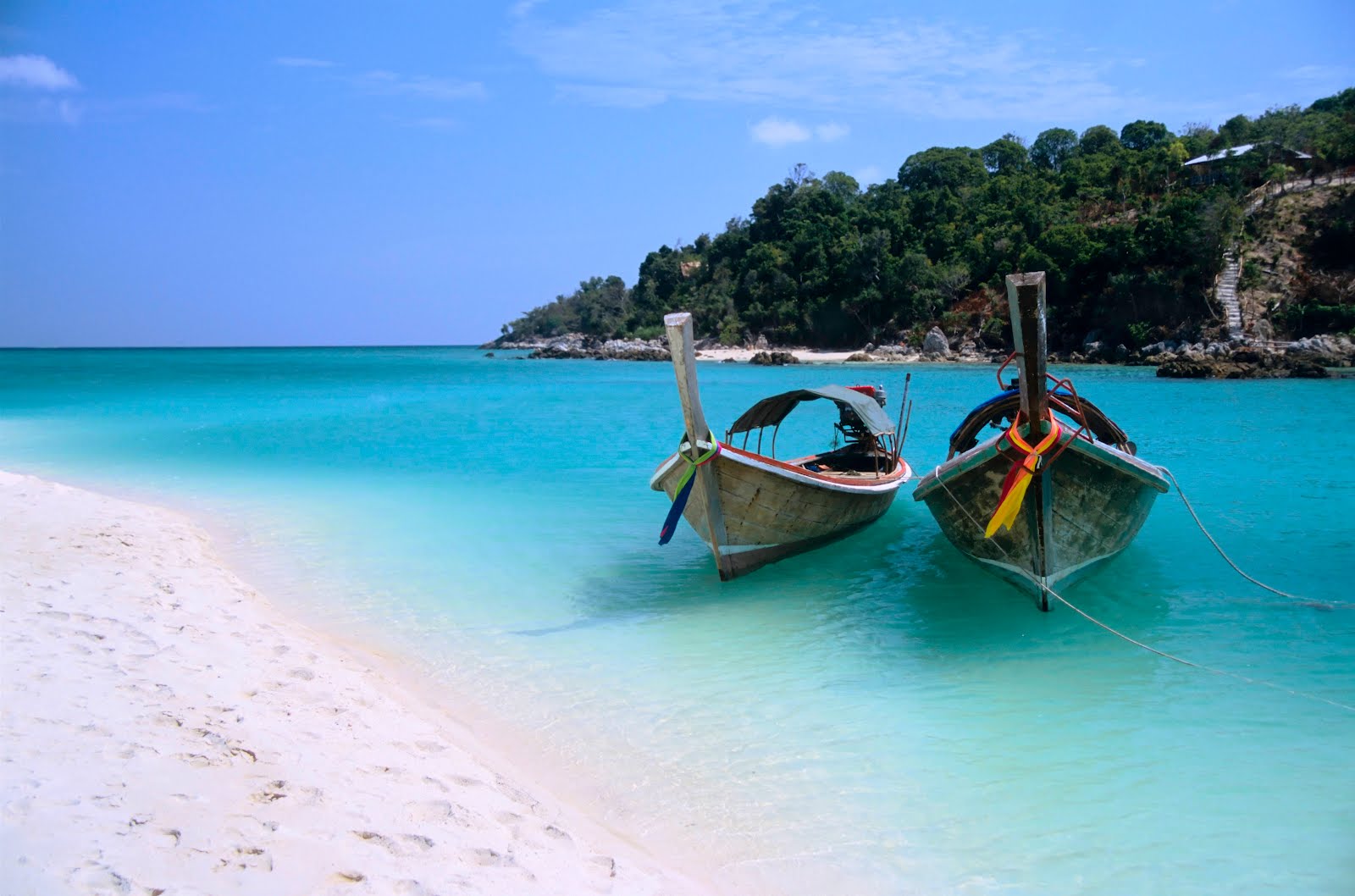
The beaches in Zanzibar are a paradise, interspersed with picturesque fishing villages, where the people live a simple way of life, unchanged over the years. There are more than 25 fantastic beaches in Zanzibar, and some are so peaceful and remote that the only noise breaking the silence is likely to be the ocean.

At the northern tip of the island is Nungwi, approached by a road lined by banana palms, mangroves and coconut trees. This is the dhow building capital of Zanzibar island, so it is a good place to see traditional craftsmen at work.
On the west coast of Zanzibar, Mangapwani beach is worth a visit, and to the east are the beaches of Matemwe, Pwani Mchangani, Kiwengwa, Uroa, Bwejuu and Jambiani, all with stretches of beautiful white sands.
Zanzibar also boasts several small offshore islands which are ideal for a day-trip. Prison (or Changu) island is the most popular with tourists because it is only a short trip from Stone Town. Originally, it was used by Arabs to detain recalcitrant slaves, and then a jail was built by the British, but it was never actually used. Visitors to Zanzibar will notice a large population of ancient Aldabra tortoises. Other islets near to Stone Town are Chapwani, Chumbe and Bawe.
Zanzibar’s Indian Ocean offers world class water sports including scuba diving, snorkeling, deep sea fishing, kayaking, windsurfing, waterskiing and sailing on traditional local dhows.

East Coast Zanzibar
The east coast of Zanzibar is lined with long, powder-white beaches; it’s very slow and relaxed. Travel offshore to the magical Mnemba Island – for the ultimate private island getaway!
Northern Zanzibar
Two or three hours’ drive from Stone Town, Nungwi has long been a magnet for visitors seeking their slice of paradise. Come for good diving and beaches, and a lively village atmosphere; there’s a lot going on here.
Michamvi Peninsula
Zanzibar’s southeast, the Michamvi Peninsula is very similar to the East Coast – small lodges, and the odd larger hotel, on long, stunning, powder-white beaches and palm trees.

South-West Zanzibar
South of Stone Town, the Fumba Peninsula is one of the most relaxed and friendly corners of the island – and it’s very quiet, with few visitors. With its technicolour coral reefs inhabited by more than 400 species of fish and warm, clear water, the Chumbe Island Coral Park; a marine protected area, is a spectacular place to snorkel. This uninhabited island off Zanzibar’s west coast only admits 14 people a day which means that the unicorn fish, hawksbill turtles, Moorish idols and other sea creatures can carry on in relative peace while humans float above them entranced, After snorkelling, visitors are given a tasty Zanzibari lunch, and guided through the island’s lush forest.

Pemba Island
Although part of the archipelago, Pemba is a half-hour flight north-east of Zanzibar. It’s a less developed island with a more traditional people. While Zanzibar is fairly flat, Pemba’s hills and escarpments are green and picturesque, coloured by rich greens of 10 types of mangoes and many hundreds of clove trees that had traditionally supported the fortunes of the island of spice. Pemba Island is separated from Unguja Island and the African continent by deep channels and has a correspondingly restricted fauna, reflecting its comparative isolation from the mainland. The island is home to the Pemba flying fox.

Mafia Island
Although not part of the Zanzibar Archipelago, the neighbouring Mafia Archipelago deserves to be better-known – even if we are often glad that it isn’t. This is one of Tanzania’s best areas for diving you’ll always see something exciting, from rainbow-coloured clownfish to octopus, rays and the odd gigantic grouper or large potato cod. Sharks and dolphins are found in the deeper waters, and at night turtles haul themselves onto the remote beaches to nest.

Flora & Fauna
When you think of Zanzibar you imagine endless azure waters, white beaches, tempting spices and rich culture but when it comes to the natural environment of Zanzibar, you can expect much more than butterflies and rich marine flora and fauna.

The main island of Zanzibar, Unguja, has a fauna reflecting its connection to the African mainland during the last Ice Age. There is a wealth of different types of flora with unique flowers, plants and trees that are used for local medicinal uses as well as providing habitats for for the surrounding wildlife.

Endemic mammals with continental relatives include the Zanzibar red colobus, one of Africa’s rarest primates, with perhaps only 1,500 existing. Isolated on this island for at least 1,000 years, this colobus is recognized as a distinct species, with different coat patterns, calls, and food habits from related colobus species on the mainland. The Zanzibar red colobus lives in a wide variety of drier areas of coastal thickets and coral rag scrub, as well as mangrove swamps and agricultural areas. About one third of them live in and around Jozani Forest. The easiest place to see the colobus is farmland adjacent to the reserve. They are accustomed to people and the low vegetation means they come close to the ground.

Rare native animals include the Zanzibar leopard, which is critically endangered and possibly extinct, and the recently described Zanzibar servaline genet. There are no large wild animals in Unguja. Forested areas such as Jozani are inhabited by monkeys, bushpigs, small antelopes and civets. Various species of mongoose can also be found on the island.
Zanzibar also boasts its fair share of interesting birdlife. Endemic species that frequent the island’s forests include the hadada, the African Goshawk, the palm-nut vulture, Scops owl, the malachite kingfisher, the Pemba white-eye and the colourful Fischer’s Turaco, to name just a few.

Things to Do in Zanzibar
The name Zanzibar evokes images of mysterious alleyways, fragrant spices and bui bui clad women with beautifully hennaed hands and feet. Visiting the island of Zanzibar can be overwhelming for the first-time visitor, as there are so many things to do and see. However, whether you are a first-time visitor or have been there previously, make sure you don’t miss out on these exciting things to do in Zanzibar:
Stone Town
No trip to Zanzibar is complete without a visit to Stone Town, one of the oldest settlements on the East African Coast and the oldest habitable Swahili town to date. This tour takes you through fabled Stone Town, where history appears to stand still. With visits to the House of Wonders, the Palace Museum (People’s Palace), Dr Livingstone’s House and the Arab Fort amongst others, it is a fascinating look at the essence of Zanzibar. You will see Zanzibar’s bustling market, winding alleyways, ornately carved and studded doors, two cathedrals and countless mosques! A trip to the site of Sultan Barghash’s harem at Marahubi should also be included and rounds off an insight into Zanzibar’s huge history and vibrant culture. Stone Town has some excellent gifts shops with plenty of souvenirs and handicrafts to choose from. The fragrant smell of spiced coffee fills the air and one must stop at a coffeehouse to partake of this coastal specialty.

Darajani Market
The Darajani market is located on the edge of the town, and is a bustling market selling fruits, vegetables, meat, seafood, and spices – this can be quite overwhelming for the first time visitor as there is a lot of noise and activity here.

The Rock
Another unmissable experience is a meal at The Rock. The restaurant is located in the ocean and one has to wade through the sea to get to it (during high tide the management provides a boat transfer), and it is literally perched on a rock so the views of the ocean are fantastic. A lovely terrace overlooking the ocean is where you can start with drinks, moving indoors for your meal. The meals are fresh & delicious, and there is a constant flow of guests, allowing people-watching opportunities galore in case of the unlikeliness that you get tired of the ocean views.

Spice Tour
Zanzibar is well known for its spices – cloves, cinnamon, cardamom, lemongrass, ginger, vanilla, turmeric nutmeg and black pepper, and you can visit the plantations where the workers will climb the trees to bring you specimens of the spices, allowing you to see, feel and taste everything. The history of Zanzibar would be incomplete without the spices which brought the Sultans of Oman and the beginnings of the infamous slave trade. They can be seen in the plantations just outside Zanzibar town, and a good tour includes opportunities to dazzle the senses with fresh spices. A detailed description is given about a variety of spices, and their uses in cooking and cosmetics. You will be fascinated by the sheer number of spices produced and their incredible value for many ailments. This is also the best place to purchase spices and spice oils.

This can be combined with a visit to the Persian Baths in Kidichi, originally built as a gift from the first Sultan of Zanzibar to his Persian wife.
Ocean Sports
Finally, one cannot leave Zanzibar without trying out some snorkeling, scuba diving or even swimming with the whale sharks (dependent on the season). The whale shark is one of the most beloved creatures in the sea due to its gentle, playful nature and seeing them is on the bucket list of many divers around the globe.

The archipelago is surrounded by stunning coral reefs, in the sparkling warm waters of the Indian Ocean and is rated among the best in the world for scuba diving and snorkeling.

Jozani Forest
The Jozani Natural Forest Reserve is located in the central east region of Zanzibar Island and is home to the rare Red Colobus Monkey, which is endemic to Zanzibar. These monkeys are full of character, and roam freely. They can also be seen at very close quarters just outside the reserve’s perimeter and are incredibly photogenic. Jozani is home to other species including Sykes monkey, small buck and bushpigs. Of legendary status in Joanzi Forest is the Zanzibar leopard. It is thought to have evolved in isolation from the African Leopard since at least the end of the last ice age, when the island was separated from the mainland Tanzania by rising sea levels. Rumour has it that the elusive Zanzibar leopard is said to feed here at night – perhaps this is why the reserve is only open during the day?! Some believe this leopard is already extinct, but there are still repots of sighting now and then by the locals.

No visit to Jozani Forest would be complete without a tour of Chwaka Bay Mangrove Swamp. The mangrove boardwalk begins under the shade of an old Tamarind Tree, where you can walk amongst the forest in the sea. The brackish water that flows through the mangrove is a nursery ground for hundreds of tropical fish, and can be seen feeding in the shallow waters.

North Coast
Tours to the unspoilt north coast always end up at Ras Nungwi, a sleepy fishing village on the northern tip of Zanzibar Island. It is the dhow building capital of Zanzibar, so you will be able to see the traditional methods of dhow construction in action. This area of Zanzibar has some fantastic beaches and nearby coral reefs which are ideal for diving and snorkelling. The local villagers have built a turtle sanctuary where injured turtles and other marine animals are nursed back to health before being released back into the warm waters of the Indian Ocean.

Kizimkazi Mosque & Dolphin Tour
Situated on the southern point of the island, Kizimkazi fishing village is home to several schools of bottle-nosed dolphins which can often be sighted following a short boat trip from the village. If you are lucky, you may be able to swim quite close to the dolphins which can be a very rewarding experience. Kizimkazi is also the site of a 12th century mosque, the earliest evidence of Islam in East Africa, and is thus worth a visit for both natural and cultural reasons.

Prison Island
Once the site of a jail for misbehaving slaves, the island lies just off the old stone town. It is fringed with a beautiful coral reef, ideal for snorkelling, and has a lovely white beach for sun-bathing.
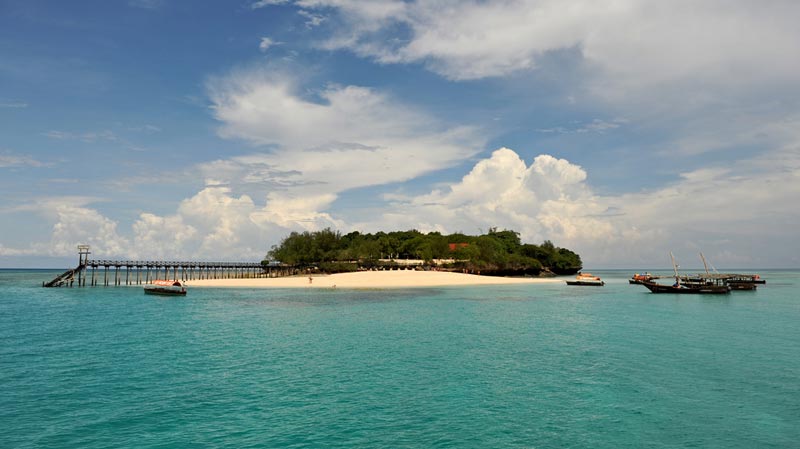
It is also home to a family of giant tortoises, imported from the Seychelles in the late 19th century. This island is ideal for a day-trip with refreshments available throughout the day. It also has a small restaurant where you can enjoy freshly caught fish.

Honeymoons and Weddings
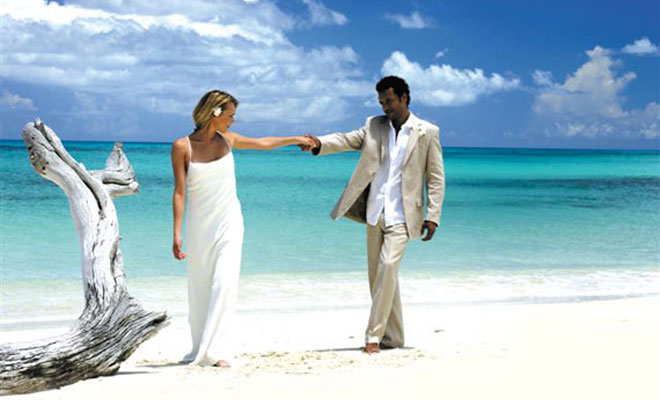
The Indian Ocean offers unique, exotic settings for intimate honeymoons, unforgettable weddings, special anniversaries or simply a whimsical vow renewal or blessing. Our exceptionally beautiful, memorable and romantic East African honeymoon destinations are as diverse as the continent itself and can be experienced as stand-alone destinations or in exciting combinations with each other.
About Origins Safaris
At Origins Safaris we are passionate about wildlife, cultural heritage, adventure and exploration. We customize each and every safari to your personal requirements and expectations, ensuring an exclusive, unique and authentic experience every time.
Origins Safaris is a family business, founded in 1963 by Don and Margaret Turner. It is managed today by two subsequent generations of the family, and predominantly by Don’s son, Steve. We are so much more than just a travel broker – our years of experience, professionalism and reliability means that we go the all important extra mile, to make sure your dream safari is safe, memorable, educational and most of all great fun. We are renowned for our meticulous safari planning from start to finish, and the highest standards of natural history.
Origins Safaris provide that crucial “sound advice and impeccable service” so seldom found by other companies. We have 50+ years of authentic African safari experience and the know-how to make your trip run as smoothly as possible. Use our website (www.originsafaris.com) to find the trips that inspire you and add them to your bucket list. As you use the arrows to browse through the various countries we do safaris to, bear in mind that the further you go into the website the more adventurous, specialized and remote the trips become. We are offering you a lifetime of travel, beginning with the easiest and ending with the hardest as you find your Africa feet and wish to do more exciting trips.
Zanzibar is the ultimate Indian Ocean experience, with its fascinating historical Stone Town and magnificent beaches. Zanzibar is a magical place to visit, and it will keep pulling you back to visit again and again.
If you would like to travel to Zanzibar and experience some or all of the amazing attractions highlighted above, please contact us on the following: https://originsafaris.com/the-spice-islands/
Origins Safaris – Authentic African Experiences Since 1963


 STEVE TURNER
 SELEMPO EDWIN LESOINE
 STANLEY KARITHI
 ZACHARY METHU MBUTHIA
 PETER LIECH ADEDE
 FELIX WAMBUGU
 JOSHUA SONKOYO
 HENRY MIWANI


