TRAVEL TO TANZANIA'S 'SPICE ISLANDS' WITH ORIGINS SAFARIS - Origins Safaris

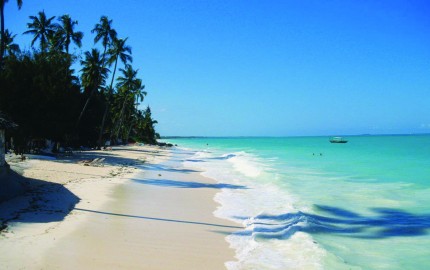
Experience the tranquil environs of the Tanzanian coast – the splendid white sandy beaches, cool breezes, watersports and exclusive beach resorts.

Zanzibar is probably a name you’ve heard before, synonymous with white sandy beaches and bright blue water. You could spend weeks on Zanzibar alone, enjoying spice tours, the culture of Stone Town and the numerous beautiful beaches elsewhere on the island.

A view from the water of Stone Town, Zanzibar, Tanzania.

The name Zanzibar conjures up visions of sultans’ palaces, paradisiacal beaches and winding alleyways leading to spice-filled bazaars. Indeed, this coral archipelago in the Indian Ocean, 74 km (23 mi) off the eastern coast of Tanzania, still has many of the features that it did when it was an important trading center and its historic Stone Town served as the capital of an Omani sultanate.  Zanzibar’s largest island, Unguja, is home to most of the cultural attractions, many of them found in beguiling Stone Town, which was awarded a UNESCO World Heritage status in 2000. In recent years, there’s been a concerted effort to restore and give new life to the city’s distinctive structures. Palaces have been turned into museums and cultural centers, and grand Swahili mansions have been reborn as restaurants and boutique hotels. Yet the coast still offers the “delicious view” that the explorer Sir Richard Burton recorded, of a “cocoa-fringed shore of purest white, and the sea blue as a slab of lapis lazuli.”

14938395_10154751430715407_5018502348430449745_n

On its main island, Unguja, and in its heart, you’ll find Stone Town, a multicultural World Heritage site with old Arabian townhouses and a maze of narrow alleys lined with homes, mosques and bazaars. Its winding lanes present minarets, carved doorways and 19th-century landmarks, such as the House of Wonders; a former sultan’s palace.  Important architectural features in Stone Town are the Livingstone house, The Old dispensary of Zanzibar, the Guliani Bridge, Ngome kongwe (The Old fort of Zanzibar) and the House of Wonders. The town of Kidichi features the Hamamni Persian Baths, built by immigrants from Shiraz, Iran during the reign of Barghash bin Said. The name Zanzibar is derived from the Persian zang-bâr signifying “black coast”.

KONICA MINOLTA DIGITAL CAMERA

Zanzibar, Pemba and Mafia form a beautiful archipelago just off the Tanzanian mainland, renowned for their spice plantations and cloves. The palm beaches have beautiful protecting coral reefs and are carpeted with white coral sand. It is famous for its clear-water, white-sand beaches with varying surf levels. The warm clear water is perfect for swimming, snorkelling and other water sports.

One of Zanzibar’s main industries is spices; in particular, the islands produce cloves, nutmeg, cinnamon, lemongrass, ginger, vanilla, turmeric, cardamom and black pepper. For this reason, the Zanzibar Archipelago, together with Tanzania’s Mafia Island, are sometimes called the “Spice Islands”.

1365429105_1!!-!!spice_tour 2

The northern villages Nungwi and Kendwa have wide beaches lined with hotels. The diving there is great, as is the snorkeling, the little islands you can visit, the seafood, and wealth of activities.

Zanzibar History

Zanzibar has lured traders, adventurers, plunderers and explorers to its shores for centuries…

The Assyrians, Sumerians, Egyptians, Phoenicians, Indians, Chinese, Persians, Portuguese, Omani Arabs, Dutch and English have all been here at one time or another. Some, particularly the Shirazi Persians and Omani Arabs, stayed to settle and rule. The earliest visitors to Zanzibar were Arab traders who are said to have arrived in the 8th century. The earliest building that remains on Zanzibar is the mosque at Kizimkazi which dates from 1107, and is a present-day tourist attraction.

stone-town-zanzibar-archipelago.jpg

For centuries the Arabs sailed with the Monsoon winds from Oman to trade primarily in ivory, slaves and spices. The two main islands, Unguja (normally known as Zanzibar Island) and Pemba, provided an ideal base for the Omani Arabs, being relatively small, and therefore fairly easy to defend. From here it was possible for them to control 1609 km (1,000 mi) of the mainland coast from present day Mozambique to Somalia. Indeed, in 1832, Sultan Seyyid Said, of the Busaid Dynasty that had emerged in Oman, moved his Sultanate from Muscat, which was perhaps more difficult to protect, to Zanzibar where he and his descendants ruled for over 130 years. Most of the wealth lay in the hands of the Arab community, who were the main landowners, kept themselves to themselves, and generally did not intermarry with the Africans.

800px-TipputipPortrait.jpg

This was not true of the Shirazi Persians who came from the Middle East to settle on the East African coast. The story goes that in AD 975, Abi Ben Sultan Hasan of Shiraz in Persia (now Iran) had a terrible nightmare in which a rat devoured the foundations of his house. He took this as an omen that his community was to be devastated. Others in the Shiraz Court ridiculed the notion, but Sultan Hasan, his family and some followers obviously took it very seriously because they decided to migrate. They set out in seven dhows into the Indian Ocean but were caught in a huge storm and separated. Thus, landfalls were made at seven different places along the East African coast, one of which was Zanzibar, and settlements began.

old-fort-zanzibar-1600x900.jpg

Widespread intermarriage between Shirazis and Africans gave rise to a coastal community with distinctive features, and a language derived in part from Arabic, which became known as Swahili. The name Swahili comes from the Arab word ‘sawahil’ which means ‘coast’. The Zanzibar descendants of this group were not greatly involved in the lucrative slave, spice and ivory trades. Instead, they immersed themselves mainly in agriculture and fishing. Those Shirazis that did not intermarry retained their identity as a separate group.

800px-ZanzibarOmaniRuler

Two smaller communities were also established. Indian traders arrived in connection with the spice and ivory trade, and quickly settled as shopkeepers, traders, skilled artisans, and professionals. The British became involved in missionary and trading activities in East Africa, and attempting to suppress the slave trade centred in Zanzibar.

Zanzibar Town

For most visitors Zanzibar Town means Stone Town, the historic quarter where you can wander for hours through a maze of narrow streets, easily losing yourself in centuries of history.

132c8bb833f5c2c1fd47a844859b80f0--stone-town-door-accessories

Each twist and turn brings something new – a former palace, a Persian bathhouse, a tumbledown ruin, a coral-stone mansion with carved doors and latticework balconies, or a school full of children chanting verses from the Quran.

winding-alleys-of-stonetown-zanzibar-590x390

Today Zanzibar Town (sometimes designated Zanzibar City) is the capital of the state of Zanzibar, and by far the biggest settlement on Zanzibar Island. It’s divided into two unequal parts, separated by Creek Rd: to the west is Stone Town, while to the east are the more recently built areas known as Ng’ambo (literally, ‘The Other Side’), with other suburbs such as Amaani, Mazizini, Magomeni and Mwanakwerekwe, an urban sprawl of shops, markets, offices, apartment blocks, crowded slums and middle-class neighbourhoods.

tan-stone-darjani

The heart of Zanzibar Town, Stone Town, is a labyrinth of narrow alleys complete with palaces, mosques, and tiny shops. Come here for a night or two to stay in a small hotel or converted merchant’s house – and soak up the atmosphere.

Zanzibar Islands

Lying off Tanzania’s coast, the Zanzibar Archipelago consists of more than 50 islands, most of which have a long history and a rich cultural mix. The larger islands in the archipelago are highly fertile, with many agricultural resources. They’re covered with small farms and everywhere the air is thick with the aroma spices – it’s an exotic atmosphere. The beaches on these islands are often stunning: many are powdery white sand, shaded by palm trees. The sea is shallow and tropical, and the reefs are great for snorkelling and diving.

mombasabeach.jpg

Zanzibar’s brilliant white beaches lapped by the warm turquoise waters of the Indian Ocean provide the perfect place to relax, soak up the sun and take a break from some busy sightseeing.

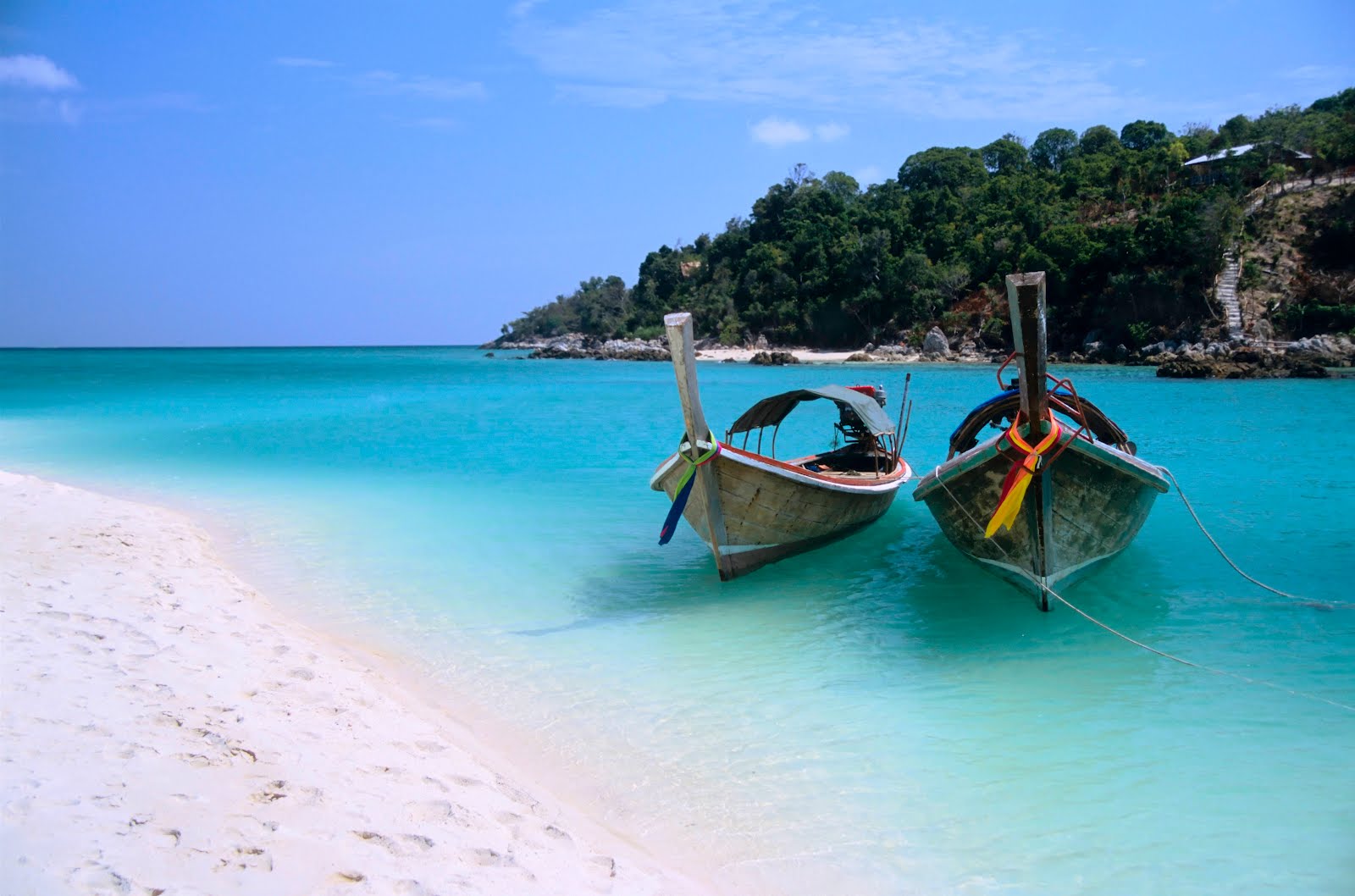
The beaches in Zanzibar are a paradise, interspersed with picturesque fishing villages, where the people live a simple way of life, unchanged over the years. There are more than 25 fantastic beaches in Zanzibar, and some are so peaceful and remote that the only noise breaking the silence is likely to be the ocean.

kitesteering

At the northern tip of the island is Nungwi, approached by a road lined by banana palms, mangroves and coconut trees. This is the dhow building capital of Zanzibar island, so it is a good place to see traditional craftsmen at work.

On the west coast of Zanzibar, Mangapwani beach is worth a visit, and to the east are the beaches of Matemwe, Pwani Mchangani, Kiwengwa, Uroa, Bwejuu and Jambiani, all with stretches of beautiful white sands.
zanzibar2

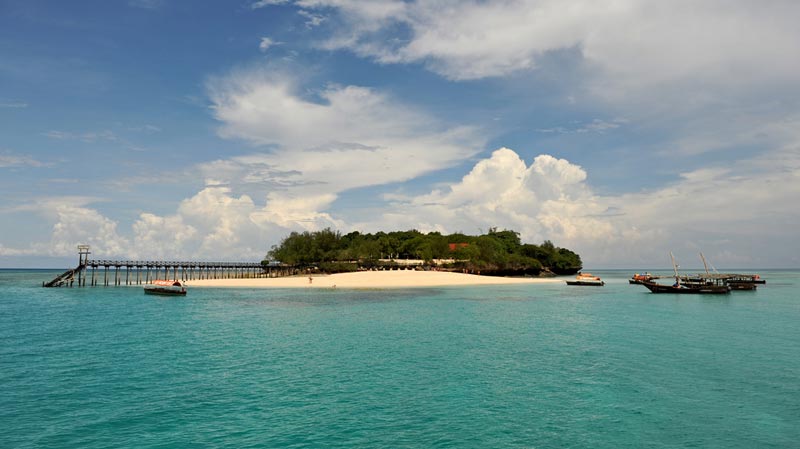
Zanzibar also boasts several small offshore islands which are ideal for a day-trip. Prison (or Changu) island is the most popular with tourists because it is only a short trip from Stone Town. Originally, it was used by Arabs to detain recalcitrant slaves, and then a jail was built by the British, but it was never actually used. Visitors to Zanzibar will notice a large population of ancient Aldabra tortoises. Other islets near to Stone Town are Chapwani, Chumbe and Bawe.

Zanzibar’s Indian Ocean offers world class water sports including scuba diving, snorkeling, deep sea fishing, kayaking, windsurfing, waterskiing and sailing on traditional local dhows.

zanzibar

East Coast Zanzibar

The east coast of Zanzibar is lined with long, powder-white beaches; it’s very slow and relaxed. Travel offshore to the magical Mnemba Island – for the ultimate private island getaway!

Northern Zanzibar

Two or three hours’ drive from Stone Town, Nungwi has long been a magnet for visitors seeking their slice of paradise. Come for good diving and beaches, and a lively village atmosphere; there’s a lot going on here.

Michamvi Peninsula

Zanzibar’s southeast, the Michamvi Peninsula is very similar to the East Coast – small lodges, and the odd larger hotel, on long, stunning, powder-white beaches and palm trees.

27715354.jpg

South-West Zanzibar

South of Stone Town, the Fumba Peninsula is one of the most relaxed and friendly corners of the island – and it’s very quiet, with few visitors. With its technicolour coral reefs inhabited by more than 400 species of fish and warm, clear water, the Chumbe Island Coral Park; a marine protected area, is a spectacular place to snorkel.  This uninhabited island off Zanzibar’s west coast only admits 14 people a day which means that the unicorn fish, hawksbill turtles, Moorish idols and other sea creatures can carry on in relative peace while humans float above them entranced,  After snorkelling, visitors are given a tasty Zanzibari lunch, and guided through the island’s lush forest.

Zanzibar-Holiday-Special-Gold-Zanzibar-beach-house-and-spa-Pristine-ocean

Pemba Island

Although part of the archipelago, Pemba is a half-hour flight north-east of Zanzibar. It’s a less developed island with a more traditional people. While Zanzibar is fairly flat, Pemba’s hills and escarpments are green and picturesque, coloured by rich greens of 10 types of mangoes and many hundreds of clove trees that had traditionally supported the fortunes of the island of spice. Pemba Island is separated from Unguja Island and the African continent by deep channels and has a correspondingly restricted fauna, reflecting its comparative isolation from the mainland. The island is home to the Pemba flying fox.

153048712.jpg

Mafia Island

Although not part of the Zanzibar Archipelago, the neighbouring Mafia Archipelago deserves to be better-known – even if we are often glad that it isn’t. This is one of Tanzania’s best areas for diving you’ll always see something exciting, from rainbow-coloured clownfish to octopus, rays and the odd gigantic grouper or large potato cod. Sharks and dolphins are found in the deeper waters, and at night turtles haul themselves onto the remote beaches to nest.

56609cc87f1d2f9f6b4b20c268182c36.jpg

Flora & Fauna

When you think of Zanzibar you imagine endless azure waters, white beaches, tempting spices and rich culture but when it comes to the natural environment of Zanzibar, you can expect much more than butterflies and rich marine flora and fauna.

9676276

The main island of Zanzibar, Unguja, has a fauna reflecting its connection to the African mainland during the last Ice Age. There is a wealth of different types of flora with unique flowers, plants and trees that are used for local medicinal uses as well as providing habitats for for the surrounding wildlife.

bdfa90d9a57057454675b37c1e0b91d3--zanzibar-spices

Endemic mammals with continental relatives include the Zanzibar red colobus, one of Africa’s rarest primates, with perhaps only 1,500 existing. Isolated on this island for at least 1,000 years, this colobus is recognized as a distinct species, with different coat patterns, calls, and food habits from related colobus species on the mainland. The Zanzibar red colobus lives in a wide variety of drier areas of coastal thickets and coral rag scrub, as well as mangrove swamps and agricultural areas. About one third of them live in and around Jozani Forest. The easiest place to see the colobus is farmland adjacent to the reserve. They are accustomed to people and the low vegetation means they come close to the ground.

Rare native animals include the Zanzibar leopard, which is critically endangered and possibly extinct, and the recently described Zanzibar servaline genet. There are no large wild animals in Unguja. Forested areas such as Jozani are inhabited by monkeys, bushpigs, small antelopes and civets. Various species of mongoose can also be found on the island.

Zanzibar also boasts its fair share of interesting birdlife. Endemic species that frequent the island’s forests include the hadada, the African Goshawk, the palm-nut vulture, Scops owl, the malachite kingfisher, the Pemba white-eye and the colourful Fischer’s Turaco, to name just a few.

th

Things to Do in Zanzibar

The name Zanzibar evokes images of mysterious alleyways, fragrant spices and bui bui clad women with beautifully hennaed hands and feet. Visiting the island of Zanzibar can be overwhelming for the first-time visitor, as there are so many things to do and see. However, whether you are a first-time visitor or have been there previously, make sure you don’t miss out on these exciting things to do in Zanzibar:

Stone Town

No trip to Zanzibar is complete without a visit to Stone Town, one of the oldest settlements on the East African Coast and the oldest habitable Swahili town to date. This tour takes you through fabled Stone Town, where history appears to stand still. With visits to the House of Wonders, the Palace Museum (People’s Palace), Dr Livingstone’s House and the Arab Fort amongst others, it is a fascinating look at the essence of Zanzibar. You will see Zanzibar’s bustling market, winding alleyways, ornately carved and studded doors, two cathedrals and countless mosques! A trip to the site of Sultan Barghash’s harem at Marahubi should also be included and rounds off an insight into Zanzibar’s huge history and vibrant culture. Stone Town has some excellent gifts shops with plenty of souvenirs and handicrafts to choose from. The fragrant smell of spiced coffee fills the air and one must stop at a coffeehouse to partake of this coastal specialty.

407e8328d672fb10ea3e4603a957fdb3--stone-town-zanzibar

Darajani Market

The Darajani market is located on the edge of the town, and is a bustling market selling fruits, vegetables, meat, seafood, and spices – this can be quite overwhelming for the first time visitor as there is a lot of noise and activity here.

index6

The Rock

Another unmissable experience is a meal at The Rock. The restaurant is located in the ocean and one has to wade through the sea to get to it (during high tide the management provides a boat transfer), and it is literally perched on a rock so the views of the ocean are fantastic. A lovely terrace overlooking the ocean is where you can start with drinks, moving indoors for your meal. The meals are fresh & delicious, and there is a constant flow of guests, allowing people-watching opportunities galore in case of the unlikeliness that you get tired of the ocean views.

index8

Spice Tour

Zanzibar is well known for its spices – cloves, cinnamon, cardamom, lemongrass, ginger, vanilla, turmeric nutmeg and black pepper, and you can visit the plantations where the workers will climb the trees to bring you specimens of the spices, allowing you to see, feel and taste everything. The history of Zanzibar would be incomplete without the spices which brought the Sultans of Oman and the beginnings of the infamous slave trade. They can be seen in the plantations just outside Zanzibar town, and a good tour includes opportunities to dazzle the senses with fresh spices. A detailed description is given about a variety of spices, and their uses in cooking and cosmetics. You will be fascinated by the sheer number of spices produced and their incredible value for many ailments. This is also the best place to purchase spices and spice oils.

spice-large

This can be combined with a visit to the Persian Baths in Kidichi, originally built as a gift from the first Sultan of Zanzibar to his Persian wife.

Ocean Sports

Finally, one cannot leave Zanzibar without trying out some snorkeling, scuba diving or even swimming with the whale sharks (dependent on the season). The whale shark is one of the most beloved creatures in the sea due to its gentle, playful nature and seeing them is on the bucket list of many divers around the globe.

mafia island lodge 14

The archipelago is surrounded by stunning coral reefs, in the sparkling warm waters of the Indian Ocean and is rated among the best in the world for scuba diving and snorkeling.

zanzibar-safari-blue

Jozani Forest

The Jozani Natural Forest Reserve is located in the central east region of Zanzibar Island and is home to the rare Red Colobus Monkey, which is endemic to Zanzibar. These monkeys are full of character, and roam freely. They can also be seen at very close quarters just outside the reserve’s perimeter and are incredibly photogenic. Jozani is home to other species including Sykes monkey, small buck and bushpigs. Of legendary status in Joanzi Forest is the Zanzibar leopard. It is thought to have evolved in isolation from the African Leopard since at least the end of the last ice age, when the island was separated from the mainland Tanzania by rising sea levels. Rumour has it that the elusive Zanzibar leopard is said to feed here at night – perhaps this is why the reserve is only open during the day?! Some believe this leopard is already extinct, but there are still repots of sighting now and then by the locals.

jozani-forest-tour-on-zanzibar

No visit to Jozani Forest would be complete without a tour of Chwaka Bay Mangrove Swamp. The mangrove boardwalk begins under the shade of an old Tamarind Tree, where you can walk amongst the forest in the sea. The brackish water that flows through the mangrove is a nursery ground for hundreds of tropical fish, and can be seen feeding in the shallow waters.

Jozani-forest-tour-Zanzibar-things-to-do-guide

North Coast

Tours to the unspoilt north coast always end up at Ras Nungwi, a sleepy fishing village on the northern tip of Zanzibar Island. It is the dhow building capital of Zanzibar, so you will be able to see the traditional methods of dhow construction in action. This area of Zanzibar has some fantastic beaches and nearby coral reefs which are ideal for diving and snorkelling. The local villagers have built a turtle sanctuary where injured turtles and other marine animals are nursed back to health before being released back into the warm waters of the Indian Ocean.

Dhow-Building.jpg

Kizimkazi Mosque & Dolphin Tour

Situated on the southern point of the island, Kizimkazi fishing village is home to several schools of bottle-nosed dolphins which can often be sighted following a short boat trip from the village. If you are lucky, you may be able to swim quite close to the dolphins which can be a very rewarding experience. Kizimkazi is also the site of a 12th century mosque, the earliest evidence of Islam in East Africa, and is thus worth a visit for both natural and cultural reasons.

banner-dolphin-tour

Prison Island

Once the site of a jail for misbehaving slaves, the island lies just off the old stone town. It is fringed with a beautiful coral reef, ideal for snorkelling, and has a lovely white beach for sun-bathing.
prison-island-zanzibar

It is also home to a family of giant tortoises, imported from the Seychelles in the late 19th century. This island is ideal for a day-trip with refreshments available throughout the day. It also has a small restaurant where you can enjoy freshly caught fish.

Changuu-Island-Tour.jpg

Honeymoons and Weddings

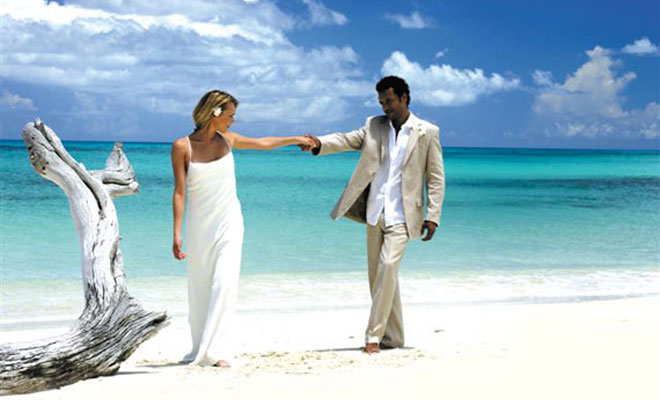
The Indian Ocean offers unique, exotic settings for intimate honeymoons, unforgettable weddings, special anniversaries or simply a whimsical vow renewal or blessing. Our exceptionally beautiful, memorable and romantic East African honeymoon destinations are as diverse as the continent itself and can be experienced as stand-alone destinations or in exciting combinations with each other.
Honeymoon_top

About Origins Safaris

At Origins Safaris we are passionate about wildlife, cultural heritage, adventure and exploration. We customize each and every safari to your personal requirements and expectations, ensuring an exclusive, unique and authentic experience every time.

Origins Safaris is a family business, founded in 1963 by Don and Margaret Turner. It is managed today by two subsequent generations of the family, and predominantly by Don’s son, Steve. We are so much more than just a travel broker – our years of experience, professionalism and reliability means that we go the all important extra mile, to make sure your dream safari is safe, memorable, educational and most of all great fun. We are renowned for our meticulous safari planning from start to finish, and the highest standards of natural history.

Origins Safaris provide that crucial “sound advice and impeccable service” so seldom found by other companies. We have 50+ years of authentic African safari experience and the know-how to make your trip run as smoothly as possible.  Use our website (www.originsafaris.com) to find the trips that inspire you and add them to your bucket list. As you use the arrows to browse through the various countries we do safaris to, bear in mind that the further you go into the website the more adventurous, specialized and remote the trips become. We are offering you a lifetime of travel, beginning with the easiest and ending with the hardest as you find your Africa feet and wish to do more exciting trips.

Zanzibar is the ultimate Indian Ocean experience, with its fascinating historical Stone Town and magnificent beaches. Zanzibar is a magical place to visit, and it will keep pulling you back to visit again and again.

If you would like to travel to Zanzibar and experience some or all of the amazing attractions highlighted above, please contact us on the following:  https://originsafaris.com/the-spice-islands/

Origins Safaris – Authentic African Experiences Since 1963


The Sahara & Zakouma - Chad


The Sahara & Zakouma – Chad

March 2020

Chad has is a country full of adventure and an experience that visitors never forget – Chad is ‘Africa for the hardcore’. Travel here is tough – many of the roads are broken due to years of conflict and lack of maintenance. There are few comfortable hotels and added to that, the summer heat is mind-melting.

So why bother, you may ask? Well, we could list the sublime oases lost in the northern deserts, tell you about the stampeding herds of wildlife in the national parks or the deep blue lure of a boat trip on Lake Chad. But let’s be honest about it, these things alone aren’t why people come to Chad. Chad offers an opportunity to break emphatically with a comfortable Western world and come to a place that promises experiences, good and bad, that you’ll be recalling forever.

The Ennedi desert is an adventure through remote and breathtaking landscapes that sums up our ethos, and takes you to places that few western travellers have ever been. This part of the Sahara offers a vast collection of sandstone mountains sculpted by the wind and sand over millennia into stunning rock formations and arches. Here, you can enter the land of the Tubu; one of Africa’s most traditional and least known people, who live amongst a myriad of petroglyphs and rock paintings from generations before. A video for you to watch is on this link: Watch Video

Nearby the Zakouma National Park is a park of extremes and abundance – we encounter flocks of tens of millions of red-billed quelea flying to roost, and is the last stronghold of a thriving population of Kordofan Giraffe, Roan Antelope, Tiang and a host of other somewhat unusual antelope species being hunted by a healthy Lion population. Herewith a link to a video on Zakouma: Watch Video

Click here for more Information about Chad

×
The Cradle of Mankind, Kenya


The Cradle of Mankind, Kenya

February 2020

Nowhere in the world is as well-endowed with traditional and tribal cultures as Ethiopia. Our typical cultural expedition takes you into this remote region of the African continent where you will be immersed into an array of tribal lifestyles and biblical-like living museums. You will also enjoy ‘street level culture’ with a fascinating blend of cafes, bars, sidewalk musicians, small galleries and bistros; where it is hard to draw the line between participant and observer, or between creativity and its creators. This trip will include the following incredible attractions: the picturesque and historic town of Lalibela (The Coptic Christian’s “New Jerusalem”), the colourful town of Harer (Africa’s most holy Islamic city), the night-life of Addis, the Dassanech Dimi Ceremony, the Suri Stick Fighters, Hamar bull jumping, The Mursi & the cradle of mankind, the Nyangatom, and the Kara – masters of paint.

After several years of “no foreigner access” to the amazing Donga stick sighting of the Suri in Ethiopia, I am thrilled to say that this door has now re-opened, and all of our trips to the Suri this last season (June to August) have all been lucky enough to experience this awesome spectacle.


×
Lowland Gorillas & Forest Elephants, RCA


Lowland Gorillas & Forest Elephants, RCA

June 2020

The Central African Republic (CAR) is a country with staggering rare natural beauty and some of the world’s most amazing wildlife. It’s one of the best places in Africa for encounters with forest elephant and lowland gorillas, and the best places in the world, some say, to see butterflies. It’s also one of the most impoverished and least developed countries on the continent.

Dzanga Bai is a Garden of Eden in the dense Central African Rainforests. It is a clearing in the middle of nowhere, with a tree platform, where large herds of Forest Elephant (especially bulls in musth ready to fight and looking for fertile females) and other species, such as Sitatunga, Bongo, Red Forest Buffalo and even Lowland Gorilla come to drink, feed, search for salt and socialize. It is quite an amazing spectacle for even the most seasoned African traveller.

This is on my bucket list. Please send me details of a safari that includes this component.

Click here for more Information about The Central African Republic

×
Cultural & Tribal Group Trip, Ethiopia


Cultural & Tribal Group Trip, Ethiopia

September 2020

Nowhere in the world is as well-endowed with traditional and tribal cultures as Ethiopia. Our typical cultural expedition takes you into this remote region of the African continent where you will be immersed into an array of tribal lifestyles and biblical-like living museums. You will also enjoy ‘street level culture’ with a fascinating blend of cafes, bars, sidewalk musicians, small galleries and bistros; where it is hard to draw the line between participant and observer, or between creativity and its creators. This trip will include the following incredible attractions: the picturesque and historic town of Lalibela (The Coptic Christian’s “New Jerusalem”), the colourful town of Harer (Africa’s most holy Islamic city), the night-life of Addis, the Dassanech Dimi Ceremony, the Suri Stick Fighters, Hamar bull jumping, The Mursi & the cradle of mankind, the Nyangatom, and the Kara – masters of paint.

After several years of “no foreigner access” to the amazing Donga stick sighting of the Suri in Ethiopia, I am thrilled to say that this door has now re-opened, and all of our trips to the Suri this last season (June to August) have all been lucky enough to experience this awesome spectacle.  A quick video clip: Watch Video

So, why not join Origins on the most amazing cultural expedition of your life, to see people and lifestyles totally unaffected by the western world. You will feel nothing but sheer privilege at being able to travel amongst them. HOWEVER, if you are inconvenienced by spartan accommodation or are apprehensive in unfamiliar situations, then this expedition is not for you!

Click here for more Information about Ethiopia

×
Gerewol Ceremony, Chad


Gerewol Ceremony, Chad

October 2020

This is possibly Africa’s most spectacular tribal festival. Every year, after the rainy season, the nomadic Bororo (Fulani) people, with roots lost in prehistoric times, meet in secret areas of the Sahel, straddling Niger, Chad and Cameroon, to celebrate. The men devote their time to show off and display their best physical features and celebrate. This is a crucial time to exchange news, make friends, and have love affairs. Click on the link for a quick video clip: Watch Video

Click here for more Information about Chad

×
Tigrai by Helicopter, Ethiopia


Tigrai by Helicopter, Ethiopia

March 2020 and April 2020

During October 2017, Origins Safaris will be positioning Phil Mathews with his EC130 B4 Eurocopter in the Tigrai region of Northern Ethiopia, providing an exclusive opportunity to guests travelling in the region over the optimum season.  Our exceptional itinerary highlights the spectacular scenery, endemic wildlife and lesser known historical sites that remain exclusive to travel by helicopter.  These will not only include the historic and picturesque town of Lalibela, the spectacular Tekezze Gorge, the Mountain churches of Tigrai, the inaccessible regions of the Danakil Depression, but also full overnight stops on the top of The Simien Mountains, and the caldera of Erta Ale Volcano, to totally immerse yourself in such a spectacular region. Herewith a video of a helicopter ride in Ethiopia: Watch Video

Click here for more Information about Ethiopia

×
About Benin


The birthplace of voodoo and a pivotal platform of the slave trade for nearly three centuries, Benin is steeped in a rich and complex history still very much in evidence across the country.  A visit to this small, club-shaped nation would therefore not be complete without exploring the Afro-Brazilian heritage of Ouidah, Abomey and Porto Novo, learning about spirits and fetishes.  But Benin will also wow visitors with its natural beauty, from the palm-fringed beach idyll of the Atlantic coast to the rugged scenery of the north. The Parc National de la Pendjari is one of the best wildlife parks in West Africa. Lions, cheetahs, leopards, elephants and hundreds of other species thrive here.

In fact, Benin is wonderfully tourist friendly compared to most of its neighbours. There are good roads, a wide range of accommodation options and ecotourism initiatives that offer travellers the chance to delve deeper into Beninese life. Now is an ideal time to go because the country sits on the cusp of discovery.

Benin has varied resources of wildlife comprising flora and fauna, which are primarily protected in its two contiguous protected areas of the Pendjari National Park and W National Park. The former is known for many species of avifauna and the latter park is rich in mammals and predators.

×
About The Central African Republic


The Central African Republic (CAR) is a country with staggering rare natural beauty and some of the world’s most amazing wildlife. It’s one of the best places in Africa for encounters with forest elephant and lowland gorillas, and the best places in the world, some say, to see butterflies. It’s also one of the most impoverished and least developed countries on the continent.

The Central African Republic is a landlocked nation within the interior of the African continent that consists of flat or rolling plateau savanna.  In the south west, where the Sangha River flows close to the Republic of Congo, exists a truly unique and special expanse of rainforest.  This is the world of the Dzanga-Ndoki National Park – this protected area has gained international importance and it contains the last unlogged forest and intact fauna in the country.
 
The Central African Republic is home to many different species from the beautiful blue headed doves to the sleek and slender serval.  In the savannah regions you can find lions, cheetahs, leopards, baboons, antelope, buffalo, and other species of insects, amphibians and reptiles.  In the dense Congo jungle you can find the smaller forest elephants, gorillas, chimpanzees, leopards, and other primates.  Located in the rivers you cannot forget the crocodiles, hippos and large variety of fish species. A special population of “Bili” apes is also established within the Congo region; this particular type of chimp is larger than their cousins and they also build their nests on the ground instead of in the trees. The Black Rhino also inhabits the area, one of the last niches this rare species can be found.


×
About Chad


Chad has always been someplace where travellers wave goodbye to their comfort zone and say hello to adventure. Put simply, Chad is a country and an experience that visitors never forget. If Ghana and Gambia are ‘ Africa for beginners’, Chad is ‘Africa for the hardcore’.  At the moment terrorism and violence has put the dampeners on even the most ambitious travel adventures here.

Even when at peace, travel here is tough. Many of the roads are broken due to years of conflict and lack of maintenance. There are few comfortable hotels and added to that, the summer heat is mind-melting and travel costs can be astronomical.

So why ever bother, you may ask? Well, we could list the sublime oases lost in the northern deserts, tell you about the stampeding herds of wildlife in the national parks or the deep blue lure of a boat trip on Lake Chad. But let’s be honest about it, these things alone aren’t why people come to Chad. Chad offers an opportunity to break emphatically with a comfortable Western world and come to a place that promises experiences, good and bad, that you’ll be recalling forever.

Chad is best described as having broad, arid plains in the center, desert in the north, mountains in the northwest and lowlands in the south.  Chad’s animal and plant life correspond to the three climatic zones. Chad is home to an abundance of different animals. There are 134 species of mammals -17 of which are becoming endangered – and 588 species of birds in residence. One of Chad’s most prominent mammals is the Red River Hog, or Bush Pig, along with the African Bush Elephant, the Cape Hyrax, and a type of old-world monkey called the Mantled Guereza. While Chad is primarily composed of deserts in the north, to the South there are fertile grasslands which provide a suitable habitat for grazing animals such as buffalo, rhinoceroses, giraffes and antelopes to dwell in. The birds that live in Chad range from the flightless ostriches to the wetland dwelling herons.

×
About The Democratic Republic of Congo


Of all the countries of Africa, the Democratic Republic of Congo is the closest to “Tarzan’s Africa”. You can very easily imagine him swinging on a vine right in front of you as you travel through this country, visited more by adventurers than tourists. No one goes there to rest and sit in a chair for a couple of weeks. Congo is an experience and asks for active people who (with respect for nature and local culture) like to learn, observe and have no objection against social contact.

Located in central Africa, the Democratic Republic of Congo covers more than 2.3 million square km. More than half of the country is covered by dense rainforests. It is two thirds the size of Europe with only 450 km of paved road – an area of vast jungles and dark corners, scattered outposts and tribal strong-holds, equatorial rainforests and active volcanoes – truly one of the most untamed countries on the surface of the earth.

The rainforests of the Democratic Republic of Congo contain great biodiversity, including many rare and endemic species, such as both species of chimpanzee: the common chimpanzee and the bonobo (also known as the Pygmy Chimpanzee), mountain gorillas, okapi and white rhino. Five of the country’s national parks are listed as World Heritage Sites: the Garumba, Kahuzi-Biega, Salonga and Virunga National Parks, and the Okapi Wildlife Reserve. The civil war and resultant poor economic conditions have endangered much of this biodiversity. All five sites are listed by UNESCO as ‘World Heritage In Danger’.

×
About The Republic of Congo


A land of steamy jungles hiding half the world’s lowland gorillas, masses of forest elephants, and hooting, swinging troops of chimpanzees; the Congo (not to be confused with the Democratic Republic of Congo across the Congo River) is on the cusp of becoming one of the finest ecotourism destinations in Africa. Parc National Nouabalé-Ndoki and Parc National d’Odzala are two of the most pristine forest reserves on the continent and between them they are arguably the highlight of the whole of Central Africa.

The Republic of Congo (Brazzaville) is a surprising Central African gem with seemingly endless pristine tropical forest and fingers of moist savannah covering its interior. Nearly 150 distinct ethnic groups exist in the Congo and the region’s Ba’Aka people are among the most well known representatives of an ancient hunter-gatherer lifestyle. Their lives and well-being are linked intimately with the forest. A mosaic of rivers, forests, savannahs, swamps and flooded forests, the Congo Basin is teeming with life. There are approximately 10, 000 species of tropical plants and 30 percent are unique to the region.

×
About South Sudan


Although South Sudan is one of the lesser-known nations in the world, the very fact that South Sudan is so undiscovered is what makes it likely to attract the first intrepid visitors here.  Tourism in South Sudan is a very new field, however the rewards for those adventurous spirits who are up to the challenge, are immeasurable. South Sudan is a diverse country boasting a wealth of tribal groups and is an anthropologist’s dream. Wildlife buffs can get excited over the vast numbers of large mammals that appear to have survived the decades of war relatively unharmed, trekkers may take on the challenge of the Imatong Mountains on the bountiful border of Uganda, whilst other travellers may dream of following the White Nile across the length of the world’s newest country and its unique splendour.

The White Eared Kob migration in Southern Sudan is one of the biggest animal migrations in the world and has been described as more spectacular than other migrations on the African continent and that its scale may exceed that of Tanzania’s Serengeti.  Boma National Park provide a habitat for large populations of kob and topis (two types of antelope), buffalo, elephants, giraffes, Hartebeests (another antelope), and lions. Southern Sudan’s forest reserves also provided habitat for bongo (also an antelope), giant forest hogs, red river hogs, forest elephants, chimpanzees, and forest monkeys.

×
About Kenya


“Jambo na Karibuni” (“Hello & Welcome”). This friendly Swahili greeting will be your introduction to all the new friends and acquaintances you make on safari in Kenya. As you plan for the safari ahead we suggest you run through the information that follows so that you get the very most out of your safari. Kenya is rightfully described as “All of Africa in One Country”, and it is exactly that. It is a fact that Kenya enjoys some of the world’s greatest environmental diversity resulting in unparalleled species and sub-species varieties.

Kenya is simply the best wildlife viewing destination in Africa. People from all over the world are drawn here by its essence: the chance to immerse yourself in the spectacle of the big game: the predators and the prey ritually entwined in a cycle of life and death. Kenya straddles the Equator with geography ranging from snow capped Mt. Kenya, the second highest mountain in Africa, to lush tropical rainforest and golden sands at sea level.  Kenya is a land of contrasts and extremes: a country with an extraordinary variety of landscapes and locations, all of them striking in their own particular way. It has earned the epithet ‘the cradle of mankind’ for the discovery of archaeological evidence of the earliest origins of mankind. Kenya not only boasts every known landform but also a wealth of animal and bird life which owes its very existence to the contrasts in the country’s terrain. You do not have to be an ornithologist to enjoy its one thousand species of birds or a zoologist to be amazed by its variety of animals – birds range from the beautiful to the bizarre and the wildlife from the weird to the wonderful…

We are among the last generations to have the opportunity to experience the vanishing cultures of East Africa. Kenya is the tribal home to 40 different ethnic groups, many still living exactly as their ancestors did thousands of years ago. You can immerse yourself in the ways and culture of some of Africa’s proudest and most striking tribes.

 Kenya has 480 kilometres of Indian Ocean coastline and a coral fringe reef, which is home to a colourful plethora of marine life.  You can explore its balmy waters by dhow, yacht or powerboat; dive, snorkel and swim in the clear azure waters over fabulous coral beds; hunt for Marlin, Tuna and Sailfish or explore the mangrove swamps and creeks where the cycle begins.  The coast is home to a striking mix of people and cultures with beautiful ancient architecture contrasting with the modern day bustle of the 21st century.

×
About Tanzania


Tanzania is a true wilderness. Over a quarter of this magnificent country is dedicated to incredibly wild and beautiful national parks and reserves – it is East Africa at its best. Tanzania is a land of superlatives: the deepest, the highest, the largest, and the oldest. Tarangire, Manyara, Ngorongoro, Serengeti and Loliondo – which make up the famed “Northern Circuit” – tempt you with a million-strong Wildebeest migration, a huge volcanic caldera, a flamingo-rimmed lake, rhino, buffalo, black-maned tree-climbing lions and elephant bathing in rivers. Experience the Ngorongoro Crater, a unique ecosystem isolated from the rolling savannahs that surround it.

Tanzania is dominated by Kilimanjaro; one of the world’s most massive extinct volcano’s and Africa’s highest mountain. It soars some 15,000 feet above the surrounding arid plains, and 2.5 square miles of its surface ascends to over 18,500 feet.

Tanzania is home to 35 species of antelope and over 1.5 million wildebeest – over 80% of the total population in Africa…. Famous parks such as the Serengeti and the Ngorongoro Conservation Area offer some of the best safari opportunities in Africa. The Serengeti plains alone support over 3 million animals whilst the Ngorongoro Crater hosts the greatest concentration of large mammals in Africa on the floor of an extinct volcano; a natural refuge for big game. Whilst these two parks are the best known, there are many others that offer more diverse opportunities for the more adventurous. Parks such as the Ruaha and Selous Reserve are huge and relatively untouched. The incredible wilderness of the Miombo woodlands in Southern Tanzania offers dramatically changing scenery and wildlife. And the exotic lure of the islands; Pemba & Zanzibar, are incredible ‘getaway’ destinations.

Lying between Lake Natron and Lake Eyasi the Olduvai Gorge is one of East Africa’s most amazing archaeological hotspots, where Drs. Louis and Mary Leakey discovered Homo Habilis (Handy Man); a 1.8 million year old fossil, whose bones were discovered in the wall of the Gorge. Early hominid footprints, estimated to be 3.5 million years old, were discovered at Laetoli by Dr Mary Leakey here in 1979.

×
About Uganda


Uganda – “The Pearl of Africa” – is one of East Africa’s better kept secrets.  It has long been a favourite haunt for back-packers.  Uganda has it all: remote wilderness areas, breathtaking scenery, extraordinary cultural diversity and incredible wildlife.  Uganda is one of East Africa’s better kept secrets.  It has long been a favourite haunt for back-packers.  In the past its tourism strengths have often been ignored in favour of its sexier neighbours… in fact Uganda has it all: remote wilderness areas, breathtaking scenery, extraordinary cultural diversity and incredible wildlife.

It is a lush, green country straddling the equator.  The country’s dominating feature is water: the vast blue of Lake Victoria, the ever-flowing river Nile, Lakes Edward, George and Albert, and the expansive network of wetlands and marsh. Dramatic mountains punctuate the landscape: the snow- capped Rwenzori Mountains (Ptolemy’s famous ‘Mountains of the Moon’), the volcanic ranges of the southwest, and the massive Mount Elgon in the East of the country.

Uganda is a shameless cross-dresser – here lush tropical rainforest and ‘jungle’ snatch your attention away from miles of arid savannah on par with its more famous rivals the Mara & Serengeti. Tourism musts include: Murchison Falls, the Mountains of the Moon and Africa’s greatest river; The Nile – all form part of the mystique that drew explorers, pioneers and settlers from across the world to compete for this beautiful country in the famous ‘Scramble for Africa’ in the 19th century.

Uganda is where the East African savannah meets the West African jungle. Where else but in this impossibly lush country can one observe lions prowling the open plains in the morning and track chimpanzees through the rainforest undergrowth the same afternoon, then the next day navigate tropical channels teeming with hippos and crocodiles before setting off into the misty mountains to stare deep into the eyes of a mountain gorilla? Certainly, Uganda is the only safari destination whose range of forest primates is as impressive as its selection of plains antelopes. And this verdant biodiversity is further attested to by Uganda’s status as by far the smallest of the four African countries whose bird checklist tops the 1,000 mark.

×
About Rwanda


Rwanda is a mountainous country with a moist, temperate year-round climate. Its conical mountains and shrouded equatorial jungles have helped it earn the well-deserved nickname as the “Land of a Thousand Hills”. Rwanda is the most densely populated country in Africa and the country carries the burden of recent history following an infamous civil war.  Mention Rwanda to anyone with a small geopolitical conscience and that person will no doubt recall images of the horrific genocide that brutalized this tiny country in 1994. But since then a miraculous transformation has been wrought and today the country is one of tribal unity, political stability and a promising future.  Visitors to Rwanda are now openly amazed at how far the country has come and how willing its people are to talk about and regret the terrible happenings of the past.
 
Rwanda has a number of unique delights to offer travellers: Parc National des Volcans in the Virunga volcanoes is home to the Mountain Gorillas to which Dian Fossey dedicated her life.  Nyungwe Forest National Park is one of the world’s most majestic and pristine mountain rainforests. It is believed to be one of Africa’s oldest and largest forests remaining in Central Africa. Home to chimpanzees and 12 other primates species (including a 400-strong troop of Ruwenzori Black and White Colobus Monkeys as well as a rich variety of orchids. Akagera National Park is central Africa’s largest protected wetland and the last remaining refuge for savannah-adapted species in Rwanda. The rolling highlands, vast plains and swamp fringed lakes of this north-eastern territory contain a rich biodiversity and are home to a number of rare species, such as the shoebill stork. With more than 12,000 large mammals and 482 bird species, this breath-taking landscape is every nature lover’s wildest dream. Finally Lake Kivu is one of a string of huge fresh water lakes which lie along Africa’s Great Rift Valley. Lake Kivu is Rwanda’s largest lake, and the sixth largest lake in Africa that is home to a large variety of birds.

×
About Ethiopia


Nowhere in the world is as well-endowed with traditional and tribal cultures as Ethiopia. Our typical cultural expedition takes you into this remote region of the African continent where you will be immersed into an array of tribal lifestyles and biblical-like living museums. You will also enjoy ‘street level culture’ with a fascinating blend of cafes, bars, sidewalk musicians, small galleries and bistros; where it is hard to draw the line between participant and observer, or between creativity and its creators. So, why not join Origins on the most amazing cultural expedition of your life, to see people and lifestyles totally unaffected by the western world. You will feel nothing but sheer privilege at being able to travel amongst them. HOWEVER, if you are inconvenienced by spartan accommodation or are apprehensive in unfamiliar situations, then this expedition is not for you!

A journey through Ethiopia’s historic route is a trip back in time. From the reign of King Solomon, Ethiopia (then known as Abyssinia) was the epicenter of religious mystique and the supposed resting place for the Arc of the Covenant. Rumours and mystery are interwoven with history and heritage: the Knights Templar, the so-called Crusaders, came here in search of their Holy Grail.

Although Ethiopia’s rich cultural history may be the primary focus – the sheer breathtaking beauty of this country’s scenery overwhelms your senses and embeds itself in your mind’s eye. Every journey is a visual feast. The spectacular highlands are a haven for endemic and endangered species such as the Simien Wolf, the Walia Ibex, the Gelada Baboon and the Lammergeyer Vulture.

Your journey becomes a quest to absorb and understand the myths and religious crusades that have dominated this land: from the incredible rock-hewn underground churches of Lalibela (‘A prayer in Stone’) and the numerous festivals that happen throughout the year, to the dizzying heights of the Simien Mountain Range (described by one writer as ‘the chess pieces of the Gods’) or the spectacular Danakil Depression – the hottest place on earth. The Ethiopian experience is multi-dimensional and intense.

×
Kenyan Guides


STEVE TURNER
The Turner’s have a long and established history with Africa. Steve’s upbringing in the wildernesses of East Africa fostered a very special and dedicated interest and extensive knowledge in not only natural history, but also the communities who live within these rich environments. He has travelled widely throughout the region with and without guests searching for similar experiences – including a massive 25,000 kms photographic expedition taking some 6 months across north, west and central Africa. His passion for culture, wildlife and nature has taken him and his guests throughout the African continent, and as far afield as Australia, Asia, The Amazon, The Arctic and Antarctica. He is one of the few Gold certified guides in East Africa.


SELEMPO EDWIN LESOINE
‘Known as Selempo’ for short, (pronounced – “Sell–em-po”), Edwin is a Maasai, and is one of Kenya’s top ornithological guides with massive experience and knowledge of bird species in the more remote areas of East Africa; he currently leads birding safaris in Kenya and Rwanda. Additionally Edwin is an all round guide with great knowledge on the smaller creatures that are often ignored in the shadow of big game, reptiles, amphibians, dragonflies, butterflies and wild flowers. Multi-talented, mild and a fascinating guide and raconteur, Selempo is one of the few Gold members of the Kenya Professional Guides Association (KPSGA). As a member of the board of directors, he regularly sits on the examination committee to set and invigilate.


STANLEY KARITHI
Stanley is Kikuyu by tribe and grew up on his family farm in Nakuru in the Great Rift Valley. He is one of our top guides: a fully qualified, silver member of the Kenya Professional Safari Guides Association. Stanley enjoys the diversity of cultures and influences that his job exposes him to – he strongly believes that he learns something new with every trip he guides from the clients in his group. He is an extremely sought after and popular guide – a true ‘people person’. He enjoys meeting visitors and sharing stories of his upbringing, culture and typical family life in Kenya also sharing traditional songs in Swahili.


ZACHARY METHU MBUTHIA
Zachary Methu Mbuthia is from North Kinangop and is a Kenya Professional Safari Guides Association (KPSGA) silver member. Zachary joined Origins Safaris in 2005 as an expert in ornithology and an accomplished all-round driver-guide. Due to Zachary’s love and passion for nature, he has proved to be a wonderful guide in all the other areas of guiding, which include wildlife, culture and history of Kenya.


PETER LIECH ADEDE
A love for Africa and its wildlife is in Peter’s blood. Peter is an accomplished naturalist with broad knowledge of birds, mammals’ and plants. He also has a larger than life personality and transforms each game drive into fun, vibrant, informative and life changing experience. He is one of the few Kenyan guides leading anthropological trips to the Northern Kenya – where the Giants trod, for the last of the dying cultural experience, and exploration of origins of mankind sites that yielded hominoids like the 1.5 million years Homo Erectus skull. He is a member of the Kenya Professional Safari Guides Association and holds a Silver medal.


FELIX WAMBUGU
Felix is Kikuyu by tribe and specialises in leading professional photography clients throughout Kenya. He is a member of the Kenya Professional Safari Guides Association and has achieved Silver Level accreditation. Felix is an excellent guide, he has good people skills, a sense of humour and a deep knowledge of the bush, the wildlife, the culture and the different eco-systems.


JOSHUA SONKOYO
Joshua is Maasai by tribeand is now qualified as a bronze level guide with the Kenya Professional Safari Guide Association. Joshua is currently studying for his Silver level exam. Joshua’s upbringing gives him deep insight into the Maasai tribe, which he delights in sharing with clients on safari. His knowledge and familiarity with wildlife throughout Kenya and particularly in the Mara makes him an extremely accomplished safari guide.


HENRY MIWANI
Henry is Maasai by tribe and joined Origins Safaris in 2003. He enjoys the variety of clients that he now accompanies on trips. He also enjoys giving Maasai Cultural talks to his clients. He is a member of Kenya Professional Safari Guides Association (KPSGA) and has achieved the Silver Level certification.

×
About Benin


The birthplace of voodoo and a pivotal platform of the slave trade for nearly three centuries, Benin is steeped in a rich and complex history still very much in evidence across the country.  A visit to this small, club-shaped nation would therefore not be complete without exploring the Afro-Brazilian heritage of Ouidah, Abomey and Porto Novo, learning about spirits and fetishes.  But Benin will also wow visitors with its natural beauty, from the palm-fringed beach idyll of the Atlantic coast to the rugged scenery of the north. The Parc National de la Pendjari is one of the best wildlife parks in West Africa. Lions, cheetahs, leopards, elephants and hundreds of other species thrive here.

In fact, Benin is wonderfully tourist friendly compared to most of its neighbours. There are good roads, a wide range of accommodation options and ecotourism initiatives that offer travellers the chance to delve deeper into Beninese life. Now is an ideal time to go because the country sits on the cusp of discovery.

Benin has varied resources of wildlife comprising flora and fauna, which are primarily protected in its two contiguous protected areas of the Pendjari National Park and W National Park. The former is known for many species of avifauna and the latter park is rich in mammals and predators.

×
About Chad


Chad has always been someplace where travellers wave goodbye to their comfort zone and say hello to adventure. Put simply, Chad is a country and an experience that visitors never forget. If Ghana and Gambia are ‘ Africa for beginners’, Chad is ‘Africa for the hardcore’.  At the moment terrorism and violence has put the dampeners on even the most ambitious travel adventures here.

Even when at peace, travel here is tough. Many of the roads are broken due to years of conflict and lack of maintenance. There are few comfortable hotels and added to that, the summer heat is mind-melting and travel costs can be astronomical.

So why ever bother, you may ask? Well, we could list the sublime oases lost in the northern deserts, tell you about the stampeding herds of wildlife in the national parks or the deep blue lure of a boat trip on Lake Chad. But let’s be honest about it, these things alone aren’t why people come to Chad. Chad offers an opportunity to break emphatically with a comfortable Western world and come to a place that promises experiences, good and bad, that you’ll be recalling forever.

Chad is best described as having broad, arid plains in the center, desert in the north, mountains in the northwest and lowlands in the south.  Chad’s animal and plant life correspond to the three climatic zones. Chad is home to an abundance of different animals. There are 134 species of mammals -17 of which are becoming endangered – and 588 species of birds in residence. One of Chad’s most prominent mammals is the Red River Hog, or Bush Pig, along with the African Bush Elephant, the Cape Hyrax, and a type of old-world monkey called the Mantled Guereza. While Chad is primarily composed of deserts in the north, to the South there are fertile grasslands which provide a suitable habitat for grazing animals such as buffalo, rhinoceroses, giraffes and antelopes to dwell in. The birds that live in Chad range from the flightless ostriches to the wetland dwelling herons.

×
About The Central African Republic


The Central African Republic (CAR) is a country with staggering rare natural beauty and some of the world’s most amazing wildlife. It’s one of the best places in Africa for encounters with forest elephant and lowland gorillas, and the best places in the world, some say, to see butterflies. It’s also one of the most impoverished and least developed countries on the continent.

The Central African Republic is a landlocked nation within the interior of the African continent that consists of flat or rolling plateau savanna.  In the south west, where the Sangha River flows close to the Republic of Congo, exists a truly unique and special expanse of rainforest.  This is the world of the Dzanga-Ndoki National Park – this protected area has gained international importance and it contains the last unlogged forest and intact fauna in the country.
 
The Central African Republic is home to many different species from the beautiful blue headed doves to the sleek and slender serval.  In the savannah regions you can find lions, cheetahs, leopards, baboons, antelope, buffalo, and other species of insects, amphibians and reptiles.  In the dense Congo jungle you can find the smaller forest elephants, gorillas, chimpanzees, leopards, and other primates.  Located in the rivers you cannot forget the crocodiles, hippos and large variety of fish species. A special population of “Bili” apes is also established within the Congo region; this particular type of chimp is larger than their cousins and they also build their nests on the ground instead of in the trees. The Black Rhino also inhabits the area, one of the last niches this rare species can be found.


×
About South Sudan


Although South Sudan is one of the lesser-known nations in the world, the very fact that South Sudan is so undiscovered is what makes it likely to attract the first intrepid visitors here.  Tourism in South Sudan is a very new field, however the rewards for those adventurous spirits who are up to the challenge, are immeasurable. South Sudan is a diverse country boasting a wealth of tribal groups and is an anthropologist’s dream. Wildlife buffs can get excited over the vast numbers of large mammals that appear to have survived the decades of war relatively unharmed, trekkers may take on the challenge of the Imatong Mountains on the bountiful border of Uganda, whilst other travellers may dream of following the White Nile across the length of the world’s newest country and its unique splendour.

The White Eared Kob migration in Southern Sudan is one of the biggest animal migrations in the world and has been described as more spectacular than other migrations on the African continent and that its scale may exceed that of Tanzania’s Serengeti.  Boma National Park provide a habitat for large populations of kob and topis (two types of antelope), buffalo, elephants, giraffes, Hartebeests (another antelope), and lions. Southern Sudan’s forest reserves also provided habitat for bongo (also an antelope), giant forest hogs, red river hogs, forest elephants, chimpanzees, and forest monkeys.

×
About Chad


Chad has always been someplace where travellers wave goodbye to their comfort zone and say hello to adventure. Put simply, Chad is a country and an experience that visitors never forget. If Ghana and Gambia are ‘ Africa for beginners’, Chad is ‘Africa for the hardcore’.  At the moment terrorism and violence has put the dampeners on even the most ambitious travel adventures here.

Even when at peace, travel here is tough. Many of the roads are broken due to years of conflict and lack of maintenance. There are few comfortable hotels and added to that, the summer heat is mind-melting and travel costs can be astronomical.

So why ever bother, you may ask? Well, we could list the sublime oases lost in the northern deserts, tell you about the stampeding herds of wildlife in the national parks or the deep blue lure of a boat trip on Lake Chad. But let’s be honest about it, these things alone aren’t why people come to Chad. Chad offers an opportunity to break emphatically with a comfortable Western world and come to a place that promises experiences, good and bad, that you’ll be recalling forever.

Chad is best described as having broad, arid plains in the center, desert in the north, mountains in the northwest and lowlands in the south.  Chad’s animal and plant life correspond to the three climatic zones. Chad is home to an abundance of different animals. There are 134 species of mammals -17 of which are becoming endangered – and 588 species of birds in residence. One of Chad’s most prominent mammals is the Red River Hog, or Bush Pig, along with the African Bush Elephant, the Cape Hyrax, and a type of old-world monkey called the Mantled Guereza. While Chad is primarily composed of deserts in the north, to the South there are fertile grasslands which provide a suitable habitat for grazing animals such as buffalo, rhinoceroses, giraffes and antelopes to dwell in. The birds that live in Chad range from the flightless ostriches to the wetland dwelling herons.

×
Big Game Safari – Kenya


Big Game Safari – Kenya

Any Time of Year

Kenya is rightfully described as “All of Africa in One Country” and it is exactly that – it is a fact that Kenya enjoys some of the world’s greatest environmental diversity resulting in unparalleled species and sub-species varieties.

Kenya is simply the best wildlife destination in Africa. People from all over the world are drawn here by its essence – the chance to immerse yourself in the spectacle of big game; the predators and prey ritually entwined in a cycle of life and death. Kenya is known for its safaris, diverse climate & geography, expansive wildlife reserves and national parks.

On your luxury Big Game Safari to Kenya you will be visiting some of the most contrasting examples of our Kenyan parks in order to see the extensive range of wildlife and scenery, with stop-overs in Nairobi at either end of your safari, where you will be able to visit the Sheldrick Wildlife Trust Elephant Orphanage.

You will visit the following:

  1. Meru National Park – a wild, beautiful, lesser-known and more private park, beloved of the late George Adamson and his wife Joy.
  2. Samburu National Reserve – a rugged, remote park with some of the most colourful game viewing and 6 species rarely seen elsewhere – Grevy’s Zebra, Reticulated Giraffe, Somali Ostrich, Gerenuk, Guenther’s Dik Dik and Beisa Oryx.
  3. Ol Pejeta – an award-winning catalyst and model for community conservation and home to a remarkable variety of wildlife including White & Black Rhino.
  4. Maasai Mara National Reserve – a park of wonderful volcanic scenery, rolling grasslands and plenty of game especially during the Great Migration; an amazing spectacle of nearly 2 million zebra & wildebeest move through the Serengeti-Mara ecosystem searching for grass and water.

Join us on an exclusive trip of a lifetime with Big Game Safaris.

This is on my bucket list. Please send me details of a safari that includes this component.

Click here for more Information about Kenya

×
The Wonders of Voodoo, Benin


The Wonders of Voodoo, Benin

January 2020

“If you want to plumb the secrets of Voodoo you’ll have to wait for the end of the world”. These are the words of a Voodoo song. Voodoo is one of the least understood religions of the world. There are fifty million believers just in West Africa alone, but few westerners understand many of its beliefs, which go back thousands of years.

This is on my bucket list. Please send me details of a safari that includes this component.


×
Migration Safari - Tanzania


Migration Safari – Tanzania

July – October 2020

Tanzania is a true wilderness – over a quarter of this magnificent country is dedicated to incredibly wild and beautiful national parks and reserves. It is East Africa at its best. Tanzania is also a land of superlatives: it has the deepest, the highest, the largest and the oldest.

Tarangire, Manyara, Ngorongoro, Serengeti and Loliondo, which make up the famed “Northern Circuit”, tempt you with a million-strong Wildebeest migration, a huge volcanic caldera, a flamingo rimmed lake, rhino, buffalo, black-maned tree-climbing Lions and elephant bathing in rivers. Experience the Ngorongroro Crater with its unique ecosystem isolated from the rolling savannahs that surround it.

You will also visit Arusha on your you will also visit Arusha on your luxury Migration Safari, which is the gateway to the safari circuit; a small bustling town that exudes a great sense of anticipation and excitement, which sprawls beneath the massive bulk of Mount Meru filled with craft shops selling local artisans’ work.

Our exclusive Migration Safari will let you experience the integral and complete wonders of Tanzania.Top of Form

This is on my bucket list. Please send me details of a safari that includes this component.

Click here for more Information about Tanzania

×
Tribes of South Sudan


Tribes of South Sudan

March 2020

Although South Sudan is one of the lesser-known nations in the world, the very fact that it is so undiscovered is what makes it likely to attract the first intrepid visitors here. Tourism is a very new field, and of course there is still conflict in some regions of the country, however the rewards for those adventurous spirits who are up to the challenge, are immeasurable as it is a diverse country boasting a wealth of tribal groups.


×
Conservation Safaris to the Pendjari, Benin


Conservation Safaris to the Pendjari, Benin

Pendjari National Park in Benin and it’s surrounding larger wilderness eco-system is one of the largest remaining wildlife strongholds in West Africa. The park, which spans 4,800 km2, is becoming a safe haven for iconic species thanks to improved law enforcement and stability in the region. Pendjari’s expansive landscape contains important wetlands which are critical for many local species including West Africa’s largest population of elephant, cheetah, buffalo, and various antelope species. The park is home to more than 460 avian species and the critically endangered West African lion, of which fewer than 400 adults remain, and 100 live in Pendjari. Historically the park has faced major threats, including poaching, demographic pressure on surrounding land, and exponential resource use. But the Benin Government wanted to change this trajectory and chart a different path for this critically important landscape, with the aim of providing better protection for the people and wildlife who live there. By partnering with The African Parks Network, the National Geographic Society, the Wyss Foundation, and the Wildcat Foundation a lifeline has thrown to this little-known but globally important protected area.


×
Marine Safaris in East Africa and the Red Sea


Marine Safaris in East Africa and the Red Sea

December 2020

Our Marine Safaris span across the eastern coast of Africa and the Red Sea, travelling by private live aboard boats to areas that our specialist marine guides know and love. These safaris, conservation quests, vacations and educational experiences take you to unique, lesser known ocean destinations with incredible ecosystems. You shall explore beaches, seagrass beds, mangroves and coral reefs, and you will come face to face with sea turtles, dugong, whales, whale sharks, hammerhead sharks and manta rays. Whether swimming, scuba diving, fishing, sailing, stand up paddle boarding or witnessing marine conservation under a palm tree, the team will immerse you in the ocean’s lore, helping you to appreciate its significance in this ever-precarious world. You will leave with a love and respect for the sea, its creatures and all its natural wonders.


×
The Sudd Migration, Gambella


The Sudd Migration, Gambella

February 2020 and April 2020

The Sudd wetlands of southern Sudan and western Ethiopia, nourished by tributaries of the White Nile, are home to an astounding number of white-eared kob – hundreds of thousands of animals – Africa’s second-largest mammal migration. Join us on some of the pioneering expeditions into these road-less and inaccessible swamps.

This is on my bucket list. Please send me details of a safari that includes this component.


×
Black Pharaohs


Black Pharaohs

October 2020

Sudan is simply the original, mysterious and unique destination, still unknown to the most, this is the area where the African and Arabic culture meet. Its ancient history is very much connected to the Egyptian one, where the Nile Rivers meet and then cross the Sahara Desert and along its valley lay interesting archaeological sites of the Egyptian and Meroitic civilizations, most of them are World Heritage protected by Unesco. This is the Land of Kush, home to the Black Pharaohs who’s kings and queens built “more pyramids than Egypt” (220 vs 11). The astonishing landscape of the three deserts, associated to the beauty of the Nile Cataracts, the hidden Nubian villages and the welcoming people make of this place an innovative, unexpected destination for the modern day explorer.

This is on my bucket list. Please send me details of a safari that includes this component.


×
PLAN YOUR TRIP